

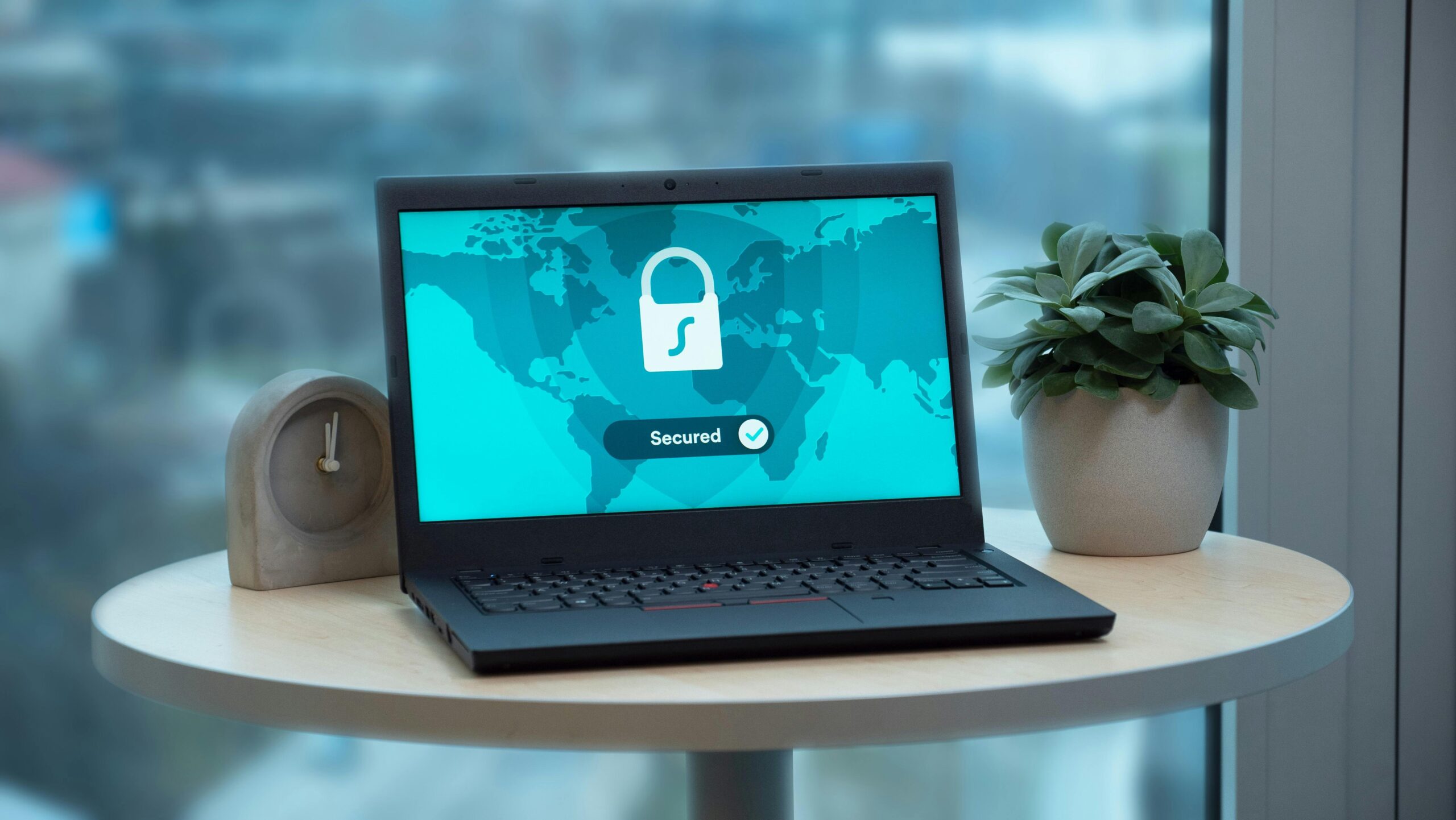
In today’s linked world, internet safety and privacy are growing crucial. Your data is always susceptible to hacking, whether you’re using public Wi-Fi, working from home, or streaming your favorite shows. A virtual private network, or VPN, can help in this situation.
A VPN links your device to the internet, much like a safe tunnel. It keeps your data safe and safeguards your identity. This essay will go over what a VPN is, how it works, why it’s crucial, and how to pick the best one for you.
What is a VPN?
A virtual private network, or VPN, is a security tool that encrypts your internet connection and hides your IP address. When you connect to a VPN provider, your internet activity is routed through a secure server that is under their control.
This suggests:
Your IP address is not visible to you.
Hackers, ISPs, and government trackers cannot access your data since it is encrypted.
Geographically restricted websites and streaming services are available.
In short, a VPN guarantees your freedom, privacy, and anonymity when you use the internet.
⚙️ How Do VPNs Work?
Let’s examine VPN protection in detail:
- To access the internet, you utilize a VPN application. Instead of going directly to a website, your traffic first passes through the VPN server.
- Your data is encrypted. The VPN encrypts your data to guard against interception.
- Your IP address has changed. The website you visit only sees the IP address of the VPN server, not your real IP address. For example, you can appear to be browsing from the United States even if you are in Pakistan.
- A secure connection was established. You can now safely surf, watch, or work online even on public Wi-Fi networks.
Your online experience stays quick and seamless because this process takes milliseconds.
🔒 Reasons to Use a VPN
- Preserve Your Confidentiality
Your internet service provider (ISP) monitors your online activities each time you log on. Your data may potentially be monitored by advertisements and governments. By encrypting your connection, a VPN keeps prying eyes off of you.
- Use caution when using public WiFi
In general, free Wi-Fi networks in hotels, cafes, and airports are unsafe. Your personal information can easily stolen by hackers. Your connection is safe even on open networks when you use a VPN.
- View Content That Is Blocked
Content is geographically restricted on a number of websites, streaming services, and news platforms. By connecting via servers located in other nations, a VPN allows you to get around these geo-blocks. For instance, you can access Hulu, BBC iPlayer, and Netflix US from any location.
- Steer clear of online tracking and advertisements
Several tracking scripts and cookies that advertisers use to gather information about your behavior are disabled by VPNs. More privacy and less targeted ads result from this.
- Work Safely and Remotely
VPNs are essential for businesses. Employees who work remotely can safely connect to the company network, protecting critical data and conversations.
🌐 VPN Types
VPNs come in a variety of forms designed for specific purposes:
People use remote access virtual private networks (VPNs) to safely connect to private networks.
Businesses use site-to-site VPNs to connect several workplace networks.
Personal VPN: For streaming, ordinary browsing, and privacy.
Personal VPNs, which are simple to set up and operate on phones, laptops, or routers, are used by the majority of home and small business clients.
⚡ How to Pick the Best VPN
VPNs differ from one another. Consider the following when selecting one:
- No-Logs Policy: Make sure your activities are not logged by the VPN.
- Robust Encryption: The industry standard is AES-256 encryption.
- Speed and Server Locations: More servers translate to faster speeds and easier access.
- Cross-Platform Support: It ought to operate with iOS, Android, macOS, and Windows.
- Customer service: Having a live chat or ticket system available around-the-clock is advantageous.
NordVPN, ExpressVPN, Surfshark, and ProtonVPN are well-known, trustworthy VPN companies.
⚠️ Free VPN versus Paid VPN
Free VPNs may sound appealing, but they typically come with major downsides:
Slower speeds owing to limited servers
Data limits or bandwidth restrictions
Some free VPNs sell your data to advertisers —defeating the purpose of privacy
Paid VPNs, on the other hand, offer:
Faster, more stable connections
No-logs policies
Stronger encryption and customer support
If privacy important to you, investing in a good premium VPN is worth it.
💡 VPN Myths You Should Ignore
There are a few frequent misconceptions concerning VPNs:
Myth 1: VPNs make you entirely anonymous — Not true. They safeguard your privacy but don’t make you invisible.
Myth 2: VPNs slow your internet — Only little, and effective VPNs decrease this.
Myth 3: You don’t need a VPN at home – Even on your home Wi-Fi, your ISP still tracks your data.
Understanding these myths helps you use VPNs more successfully and safely.